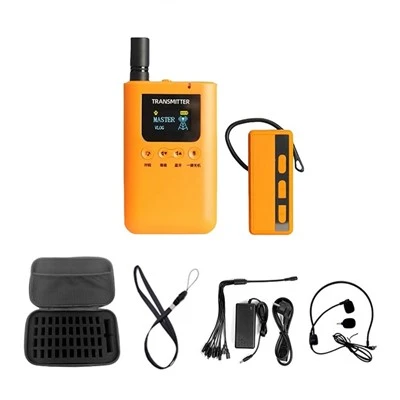
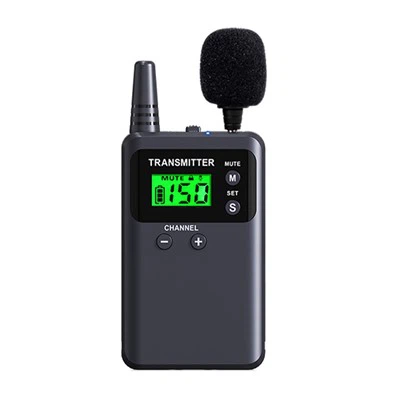
Hey there, fellow nature lovers and botanical garden enthusiasts! I'm [Your Name], and I'm super stoked to share with you all the amazing benefits that an NFC Audio Guide System can bring to botanical gardens. As a supplier of these awesome systems, I've seen firsthand how they can transform the visitor experience and take the beauty of these gardens to a whole new level.
1. Enhanced Visitor Engagement
One of the biggest advantages of an NFC Audio Guide System in a botanical garden is the increased engagement it offers to visitors. Let's face it, reading a bunch of signs can be a bit boring. With an NFC audio guide, visitors can simply tap their device on the NFC tag near each plant or area of interest, and instantly get a wealth of information. It's like having a personal tour guide right in your pocket!
This interactive experience allows visitors to explore the garden at their own pace. They can pause, rewind, and listen to the information as many times as they want. For example, if someone is really interested in a particular type of flower, they can spend extra time learning about its origin, growth cycle, and unique features. This kind of in - depth exploration leads to a more meaningful and memorable visit.
And let's not forget about the multi - language feature. The Multi - language Self - guided Audio Guide is a game - changer. It caters to a diverse range of visitors from all over the world. Whether they speak English, French, Mandarin, or any other language, they can access the audio content in their native tongue. This makes the garden more inclusive and accessible to everyone.
2. Educational Opportunities
Botanical gardens are not just beautiful places to stroll around; they are also living classrooms. An NFC Audio Guide System takes the educational aspect to a whole new level. It provides detailed information about the plants, including their scientific names, uses in traditional medicine, and ecological importance.
For students and researchers, this is a goldmine of knowledge. Teachers can bring their students to the garden and use the audio guides as a hands - on learning tool. Students can learn about plant biology, taxonomy, and environmental science in a real - world setting. The Self - guided Audio Guide System allows them to explore different areas of the garden and learn at their own speed, which is much more effective than a traditional classroom lecture.
Even for casual visitors, the audio guides can be a great way to learn something new. They might discover that a common flower they've seen before has some amazing properties or historical significance. This kind of learning through exploration can spark an interest in botany and nature conservation.
3. Cost - Effective Solution
Running a botanical garden can be expensive, especially when it comes to providing guided tours. Hiring tour guides can be quite costly, and it may not be feasible to have them available at all times. An NFC Audio Guide System is a cost - effective alternative.
Once you've installed the NFC tags throughout the garden and loaded the audio content, the system can be used by an unlimited number of visitors. There's no need to pay for additional staff to lead tours. This not only saves money but also allows the garden to serve more visitors without any extra expense.


Moreover, the long - term maintenance costs of an NFC Audio Guide System are relatively low. The tags are durable and don't require frequent replacement, and the audio content can be easily updated or modified as needed.
4. Flexibility and Customization
The Self - guided Audio Guide for Exhibitions aspect of the NFC Audio Guide System offers a high degree of flexibility. Botanical gardens can create different audio guides for different seasons, special exhibitions, or target audiences.
For example, during a flower festival, the garden can create a special audio guide highlighting the featured flowers. Or, for a children's day event, they can create a fun and engaging audio guide with stories and games to keep the kids interested.
The system also allows for customization of the audio content. Gardens can include interviews with botanists, local legends about the plants, or even background music to enhance the overall experience. This level of customization makes each visit to the garden unique and tailored to the specific interests of the visitors.
5. Data Collection and Analysis
Another great benefit of an NFC Audio Guide System is the ability to collect data on visitor behavior. The system can track which tags are being tapped, how long visitors spend listening to each audio guide, and which areas of the garden are the most popular.
This data can be extremely valuable for the garden management. They can use it to improve the layout of the garden, add more information to less - visited areas, or plan future exhibitions based on the interests of the visitors. For example, if the data shows that a particular section of the garden is getting a lot of attention, the garden can invest in expanding that area or adding more educational resources.
6. Comparison with Other Audio Guide Technologies
There are other audio guide technologies out there, such as RFID and on - demand audio guides. Let's take a quick look at how the NFC Audio Guide System compares to the RFID Self - guided Audio Guide and the On - demand Audio Guide.
NFC (Near Field Communication) technology is more user - friendly than RFID. With NFC, visitors can simply tap their smartphones on the tags, which is a much more intuitive and seamless process. RFID often requires a separate device to be carried around, which can be cumbersome.
On - demand audio guides usually rely on Wi - Fi or cellular data, which may not be available in all areas of the garden. NFC audio guides work offline, so visitors can access the information even in areas with poor network coverage.
7. How to Implement an NFC Audio Guide System in a Botanical Garden
Implementing an NFC Audio Guide System in a botanical garden is not as complicated as it may seem. First, you need to map out the areas of the garden where you want to place the NFC tags. This could include key plants, different sections of the garden, or points of historical or cultural significance.
Next, you'll need to create the audio content. This can involve hiring experts to record the information about the plants, or having the garden staff do it themselves. The audio content should be clear, engaging, and easy to understand.
Once the audio content is ready, it needs to be loaded onto the NFC tags. This can be done using a special NFC writer device. After that, the tags can be installed in the garden at the designated locations.
Finally, you'll need to promote the audio guide system to the visitors. This can be done through signage in the garden, social media, or on the garden's website.
8. Encouraging Contact for Purchase and Collaboration
If you're a botanical garden manager or someone involved in the operation of a botanical garden, I'm sure you're starting to see the amazing potential of an NFC Audio Guide System. It can really enhance the visitor experience, provide valuable educational opportunities, and save you money in the long run.
I'd love to have a chat with you about how our NFC Audio Guide System can be customized to meet the specific needs of your garden. Whether you have a small community garden or a large, world - famous botanical park, we have the expertise and the technology to make it work. So, if you're interested in learning more about our products and services, don't hesitate to reach out. Let's work together to make your botanical garden even more amazing!
References
- "The Impact of Audio Guides on Visitor Experience in Cultural Heritage Sites." Journal of Tourism Research.
- "NFC Technology: Applications and Future Trends." International Journal of Mobile Computing and Multimedia Communications.
So, there you have it! I hope this blog has given you a good understanding of the many benefits that an NFC Audio Guide System can bring to botanical gardens. If you have any questions or comments, feel free to leave them below.