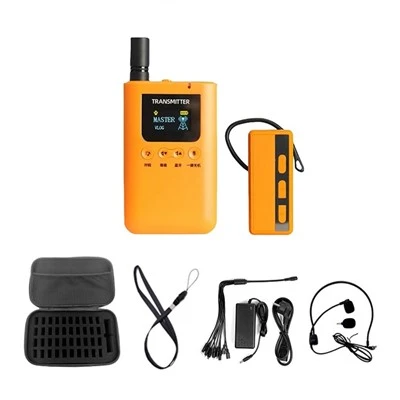
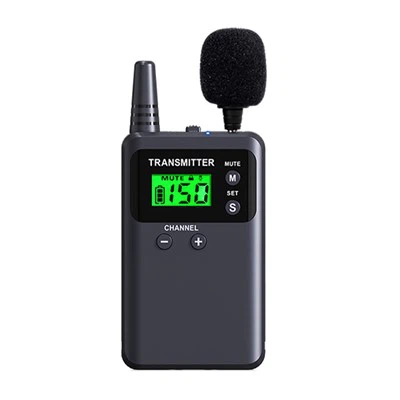
As a supplier for an audio guide factory, I've witnessed firsthand the evolution of storage media used in these devices. Audio guides have become an essential part of many industries, from museums and historical sites to theme parks and guided tours. The choice of storage media in an audio guide device directly affects its performance, capacity, portability, and cost. This article breaks down the storage options commonly used in audio guide manufacturing and how to choose between them.
1. Flash Memory
Flash memory is one of the most popular storage media used in modern audio guides. It is a type of non-volatile memory that can retain data even when the power is turned off. Flash memory offers several advantages for audio guide applications:
- Compact Size: Flash memory chips are very small, allowing for the design of sleek and portable audio guide devices. This is particularly important for handheld audio guides that need to be easy to carry around.
- Fast Data Access: Flash memory provides fast read and write speeds, enabling quick access to audio files. This ensures smooth playback and reduces waiting times for users.
- Low Power Consumption: Flash memory consumes less power compared to traditional hard disk drives, which is crucial for battery-powered audio guides. Longer battery life means less frequent charging and more convenience for users.
- Durability: Flash memory has no moving parts, making it more resistant to shock and vibration. This makes it suitable for use in rugged environments, such as outdoor tours or construction sites.
For example, our Digital Self-guided Audio Guide utilizes flash memory to store a large number of audio files. The compact size of the flash memory allows us to design a lightweight and easy-to-use device that can be carried around by visitors without any hassle.
However, flash memory also has some limitations. It has a limited number of write cycles, which means that over time, the memory may degrade and become less reliable. Additionally, the cost per gigabyte of flash memory is relatively high compared to other storage media, which can increase the overall cost of the audio guide device.
2. Hard Disk Drives (HDDs)
Hard disk drives were once the primary storage media for audio guides, but they have become less common in recent years due to the rise of flash memory. HDDs consist of one or more rotating platters coated with a magnetic material and a read/write head that moves across the platters to access data.
- High Capacity: HDDs offer significantly higher storage capacities compared to flash memory. This makes them suitable for audio guides that need to store a large amount of audio content, such as multi-language guides or guides for large museums.
- Cost-Effective: The cost per gigabyte of HDDs is generally lower than that of flash memory, making them a more economical choice for high-capacity storage requirements.
Our Audio Guide for Scenic Spots used to rely on HDDs when large amounts of high - resolution audio and visual data were required. The high capacity of the HDD allowed us to include detailed descriptions, multiple language options, and even some related images within the audio guide system.
Nevertheless, HDDs have several drawbacks. They are relatively large and heavy, which can make the audio guide device bulkier and less portable. They also consume more power and are more susceptible to damage from shock and vibration due to their moving parts.
3. Solid State Drives (SSDs)
Solid state drives are a more advanced alternative to HDDs. Like flash memory, SSDs have no moving parts, but they offer higher performance and reliability compared to traditional HDDs.
- High Performance: SSDs provide much faster data access speeds than HDDs, resulting in quicker boot times and smoother audio playback. This is especially important for audio guides that need to respond rapidly to user requests.
- Reliability: With no moving parts, SSDs are more resistant to shock and vibration, making them more suitable for use in challenging environments. They also have a longer lifespan compared to HDDs.
Our On - demand Audio Guide can benefit from the use of SSDs. The fast data access speeds of SSDs ensure that users can quickly access the audio content they need, providing a seamless on - demand experience.
However, SSDs are more expensive than HDDs, and the cost per gigabyte is still relatively high compared to flash memory. This can increase the cost of the audio guide device, making it less competitive in some markets.
4. MicroSD Cards
MicroSD cards are a popular choice for portable audio guides due to their small size and ease of use. They are a type of flash memory card that can be inserted into a compatible audio guide device.


- Portability and Expandability: MicroSD cards are extremely small and lightweight, making them ideal for use in compact audio guide devices. They also offer the advantage of expandability, allowing users to increase the storage capacity of their audio guides by simply inserting a larger capacity card.
- Easy Data Transfer: MicroSD cards can be easily removed from the audio guide device and inserted into a computer or other device for data transfer. This makes it convenient to update the audio content on the guide.
Our Automatic Induction Audio Guide supports the use of MicroSD cards. This allows tour operators to easily update the audio content based on the changing needs of the tours or to add new languages as required.
However, MicroSD cards can be easily lost or damaged, and they may have lower durability compared to built - in flash memory or SSDs. Additionally, the data transfer speed of some MicroSD cards may be slower than that of other storage media, which can affect the audio playback experience.
5. Cloud Storage
In recent years, cloud storage has emerged as a new option for audio guides. With cloud storage, the audio content is stored on remote servers, and the audio guide device accesses the content over the internet.
- Unlimited Storage Capacity: Cloud storage offers virtually unlimited storage capacity, which means that audio guide providers can store a vast amount of content without having to worry about local storage limitations.
- Easy Content Updates: Content updates can be made easily on the cloud server, and users can access the latest audio content as soon as it is available, without the need to manually update their devices.
Our Automatic Audio Guide Device can be integrated with cloud storage solutions. This allows for seamless content management and the ability to offer a wide range of audio options to users.
However, cloud storage also has some challenges. It requires a stable internet connection for audio playback, which may not be available in all locations, such as remote historical sites or underground museums. Additionally, there may be concerns about data security and privacy when using cloud storage.
Choosing the Right Storage Media
When selecting the storage media for audio guides, several factors need to be considered:
- Capacity Requirements: The amount of audio content that needs to be stored is a crucial factor. If a large number of audio files, multiple languages, or high - resolution content are required, high - capacity storage media such as HDDs, SSDs, or cloud storage may be necessary.
- Portability: For handheld or wearable audio guides, compact and lightweight storage media like flash memory or MicroSD cards are more suitable.
- Cost: The cost of the storage media can significantly impact the overall cost of the audio guide device. A balance needs to be struck between the storage capacity, performance, and cost.
- Performance: Fast data access speeds are essential for smooth audio playback. Storage media with high read and write speeds, such as SSDs and flash memory, are preferred.
- Environment: The operating environment of the audio guide also matters. In rugged or outdoor environments, storage media that are resistant to shock and vibration, such as flash memory or SSDs, are more appropriate.
Contact for Purchase
If you are in the market for high - quality audio guides and are interested in understanding more about the storage media options available, we are here to help. Our team of experts can provide you with detailed information about our products and assist you in making the right choice for your specific needs. Don't hesitate to reach out to discuss your procurement requirements and start a successful partnership.