As a supplier specializing in 2.4GHz noise-cancelling tour guide systems, I get this question at least three times a week from tour operators, museum directors, and event organizers: Can I return a system if I'm not satisfied? It's a valid concern-investing in wireless tour equipment for groups of 10, 50, or even 200 people is a big decision, and no one wants to be stuck with gear that doesn't work as promised. Let's break this down honestly, based on how our 2.4GHz noise-cancelling systems are designed, tested, and supported.
First, it's important to understand why 2.4GHz technology matters for tour guide systems. Unlike older UHF systems that can pick up static from Wi-Fi routers or other devices, our 2.4GHz noise-cancelling tech is built to filter out background noise-think crowded museum lobbies, busy outdoor historical sites, or large conference halls where multiple groups might be using similar systems. But even with that precision, no two use cases are the same. A system that works flawlessly for a small art gallery might struggle in a sprawling outdoor archaeological site with hills and trees blocking signals. That's why return policies aren't one-size-fits-all, and it's worth walking through the details from a supplier's perspective.
When someone reaches out to ask about returns, my first step isn't to jump to policy-it's to figure out why they're dissatisfied. Last month, a tour company in Tokyo returned a set of 30 units because users said the audio felt "muffled." When we followed up, we learned they'd set the volume too high on the receiver devices, which distorted the noise-cancelling signal. Once we walked them through adjusting the audio settings, they ended up keeping the system and bought an extra set for a new tour route. That's why, as a supplier, we prioritize troubleshooting before processing returns-we want to make sure a bad experience isn't just a misunderstanding about how the equipment works.


That said, there are real scenarios where a return makes sense. If you've tested the system in your actual venue (not just a quiet office) and found that the 2.4GHz signal is dropping too frequently, or the noise cancellation doesn't cut through the background noise in your space, we will work with you to resolve that. For example, a group in Berlin using our Anti-interference Tour Guide System for a city walking tour found that street traffic was still causing static. We helped them test a different channel configuration, but when that didn't fix the issue, we accepted the return because it was clear the system wasn't meeting their needs in a real-world use case.
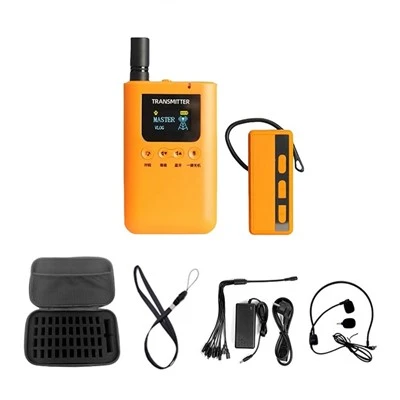
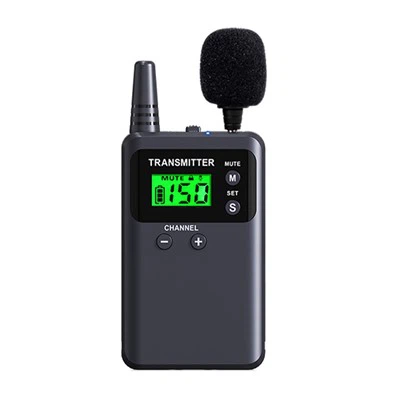
One thing many buyers don't realize is that our 2.4GHz systems come in different setups to match group sizes. If you're a small museum with 10 to 15 visitors a day, our Low-latency One-way Tour Guide System might be perfect, but if you're hosting a conference with 200 attendees, you'll need a system with more channels. Our 150 Channels Tour Guide System is designed for large groups, and we often tell buyers to confirm their group size before ordering to avoid mismatches. If you order a channel count that's too low for your average group size, that can lead to frustration-but that's a situation we'll work to correct, even if it means exchanging units instead of accepting a return.
Warranty also plays into this. Every one of our Tour Guide Device and transmitter units comes with a 12-month warranty against manufacturing defects. If a unit stops working due to a faulty component (not damage from misuse), we'll repair or replace it for free, no return needed in most cases. But if the dissatisfaction is about fit for purpose, that's where our return policy has some guardrails. We can't accept returns of used units that have been marked up, lost accessories, or tested beyond basic functionality-because those units can't be resold to another customer. That's why testing the system in a controlled way first is key: bring a set to your venue for a day, test with your guides and visitors, and check for any signal issues before committing to a large order.
Another common point of confusion is between one-way and two-way systems. Our Tour Guide Device for Conferences is a two-way device, meaning attendees can send questions back to the guide, while our regular tour systems are one-way. If you order a two-way system for a self-guided museum tour, that extra feature might not add value-and that's something we want to know about early. We'll work with you to exchange it for the right model, rather than processing a return, because we'd rather you have gear that serves your needs than leave you unhappy.
Over the years, we've learned that buyers value transparency more than anything when it comes to returns. That's why we don't hide behind a 30-day return window without context. Our policy is simple: if you're not satisfied, reach out within 60 days of delivery, and we'll walk through 3 steps: first, troubleshoot any technical issues (we even offer free on-site support for local clients); second, adjust your system setup (channel counts, audio settings, range) to fit your venue; and third, if those steps don't work, process a return for the unused equipment minus a small restocking fee (to cover the cost of inspecting and repackaging the gear for resale).
Last quarter, we had a tour operator in Madrid who ordered a 50-unit set but found that the 2.4GHz signal didn't reach the far end of their castle tour. Instead of returning the system, we helped them add two extra transmitters to extend the range-and they ended up ordering a second set for a new tour route a month later. That's the outcome we strive for: not just resolving a return, but making sure the system works for you long-term.
It's also important to note that 2.4GHz technology has its limits. It can't penetrate thick concrete walls or dense forests, and it can be affected by other devices on the same frequency (microwaves, baby monitors, other Wi-Fi). If your venue has a lot of 2.4GHz devices running at the same time, the noise cancellation might not be as effective. In those cases, we'll help you test alternative frequency bands (like 5GHz) if our systems support it, or suggest a different model that's better for high-interference spaces. This isn't a failure of the system-it's understanding how technology interacts with its environment, and that's something we're happy to help with.
So, to circle back to the original question: Can you return a 2.4GHz noise-cancelling tour guide system if you're not satisfied? The short answer is yes, but with a few key caveats. It's not a no-questions-asked return policy, because we invest time in supporting our customers and making sure their gear works for them. But we will work with you every step of the way to address your concerns-whether that's troubleshooting technical issues, adjusting the system setup, or processing a return when the system truly isn't a fit.
If you're in the market for a 2.4GHz noise-cancelling tour guide system, don't hesitate to reach out to our team to discuss your specific needs. We can help you choose the right channel count, device type, and setup for your venue, so you're not stuck with gear that doesn't work for your tour groups. Whether you're a small museum planning your first set of tour devices or a large conference organizer needing a system for hundreds of attendees, we're here to make sure you get the right equipment at a price that works for your budget.
If you have questions about returns, system compatibility, or would like to learn more about our products, feel free to connect with our procurement team to discuss your requirements.
References
- Federal Communications Commission. (2022). "2.4GHz Frequency Band Usage Guidelines for Wireless Devices." FCC.gov.
- Wireless Innovation Alliance. (2023). "Noise-Canceling Technology for Audio Transmission: Applications in Tour Guide Systems." WIA.org.
- Tour Operator Technology Report. (2022). "Key Factors for Selecting Wireless Tour Guide Systems: Signal Range and Interference Mitigation." TravelTech Journal.
- Product Return Best Practices for B2B Technology Suppliers. (2023). Supply Chain Management Review.
- 2.4GHz vs. 5GHz Wireless Communication for Venue-based Group Audio Systems. (2021). Journal of Audio Engineering Society.