


More buyers are no longer choosing tour guide equipment off a catalog page.
Instead, they're asking manufacturers to build it their way: their logo, their frequency, their kit size. This is the practical meaning of OEM tour guide system sourcing, and it's becoming a normal route for distributors, tour companies, and venue operators alike.
This article explains why the shift is happening, how OEM and ODM differ, and what a buyer should check before placing a custom order.
Why Buyers Are Choosing Custom Orders
A standard catalog product solves a general problem. A custom order solves your problem.
Distributors want to sell under their own brand, not the factory's. Venues want equipment that matches their visitor experience, including the color, the logo, and the packaging. Tour companies with a fixed route sometimes need a specific frequency setup that suits their local radio environment.
Standard products also create a sameness problem. When ten resellers carry the same unbranded device, price becomes the only way to compete. A branded product gives a reseller something to build a reputation around.
OEM vs. ODM: What's the Difference?
The two terms are often mixed up, so it helps to separate them.
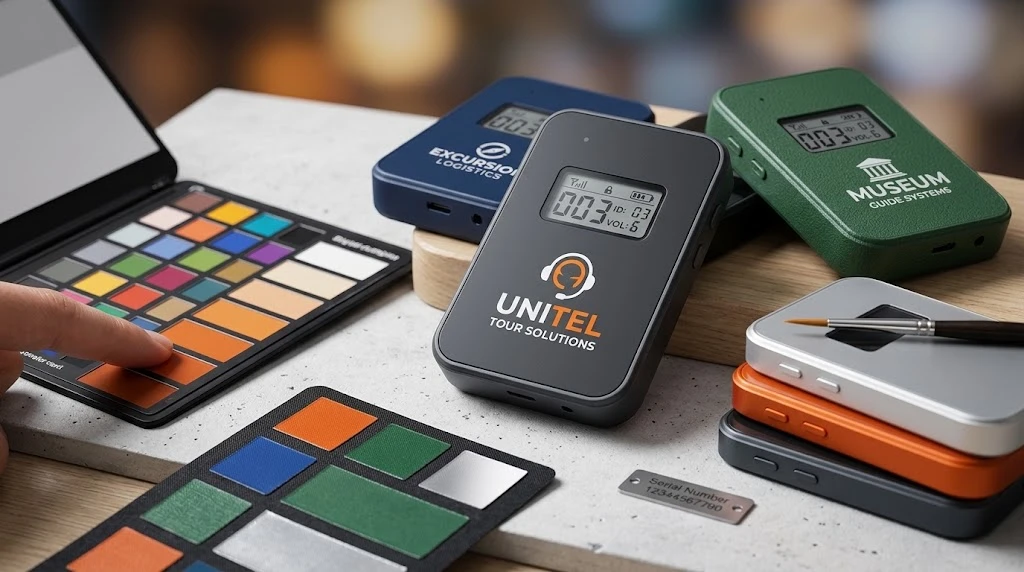
OEM means the buyer specifies the product, and the factory builds it. The buyer controls the design, the features, and the branding. The factory controls production quality.
ODM means the factory already has a proven design, and the buyer rebrands or adjusts it. The buyer skips the development stage, which saves time and cost.
For tour guide equipment, most orders land somewhere in between. A buyer starts from an existing platform, then changes the parts that matter to them.
What Can Actually Be Customized
Customization is not unlimited, and it's worth knowing where the real options are.
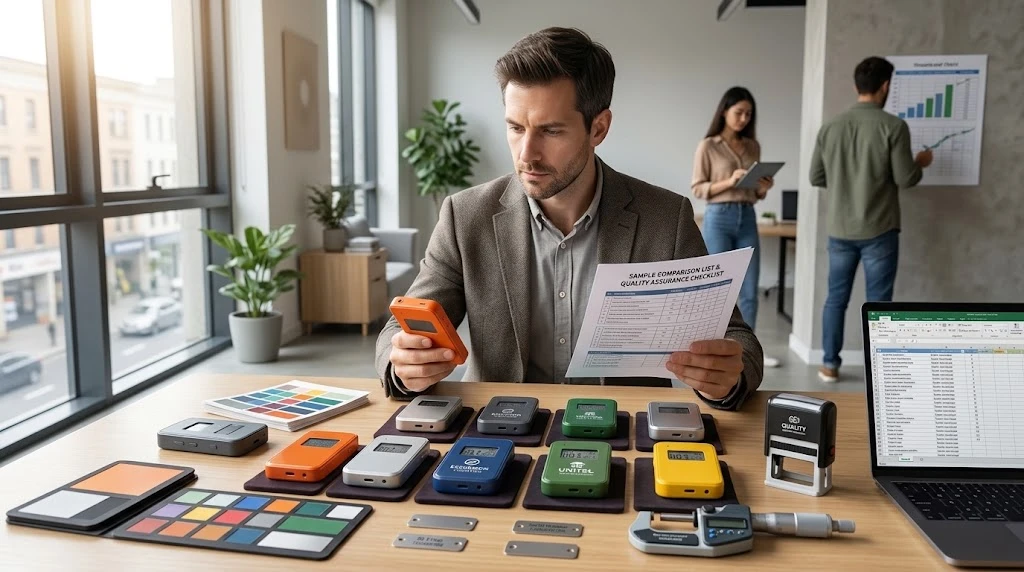
The common ones for custom tour guide systems include:
Logo and branding on the transmitter, receiver, and charging box.
Frequency configuration, so the system fits the radio rules and interference conditions of the target market.
Battery capacity, for buyers who need longer runtime or a lighter device.
Housing materials and colors.
Additional functions, such as Bluetooth connection or extra modes.
Kit configuration is the other lever. Preset kits run from small groups to several hundred receivers, and the mix of transmitters, receivers, and charging units can be arranged to suit the buyer's operation.
Who Is Driving the Demand
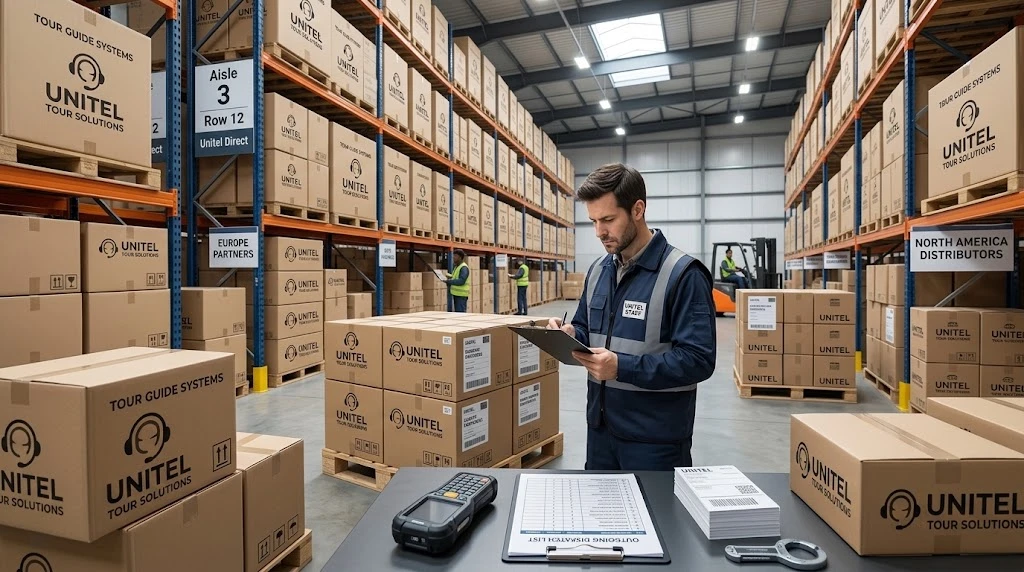
Three kinds of buyers account for most OEM and ODM interest in this category.
Distributors and resellers. They want a private label product that they can sell consistently across markets.
Venue operators. Museums, scenic areas, and corporate visitor centers want equipment that carries their own identity, especially for reception and VIP use.
Tour and event companies. Organizations running tours at scale prefer equipment that is standardized across their fleet and easy to brand.
What to Check Before Placing an OEM Order
A custom order carries more risk than a catalog purchase, because the product doesn't exist yet when you commit.
A few questions are worth asking up front.
What is the minimum order quantity for a customized product? This varies by factory and by type of customization.
How long does production take, and does customization add lead time? Branding and frequency changes usually add some time, so plan ahead for event deadlines.
Can you see and approve a sample before mass production? A sample confirms the logo placement, color, and function before the full run is built.
Which certifications apply in your target market? Frequency and radio rules differ by country, so confirm compliance for the market where the equipment will be used.
What does after-sales support cover on a customized product? Ask about warranty terms and spare parts before ordering, not after.
Why Manufacturing Capability Matters
OEM sourcing only works when the factory can deliver consistent quality across a custom batch.
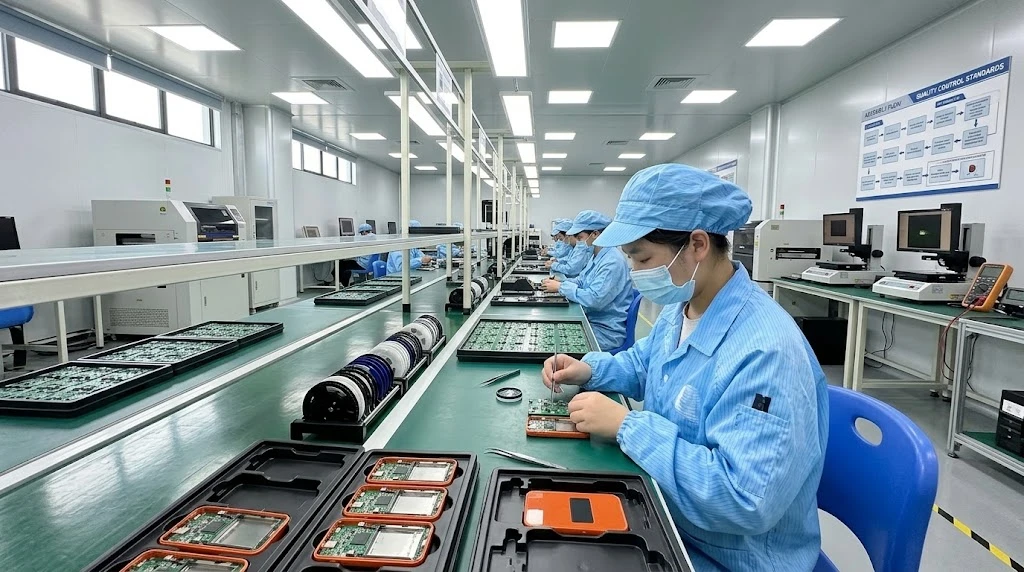
A factory with in-house production, testing, and quality control can adjust a design and still keep the product reliable. A trading intermediary often cannot. If something goes wrong with a custom order, a direct manufacturer can fix it at the source.
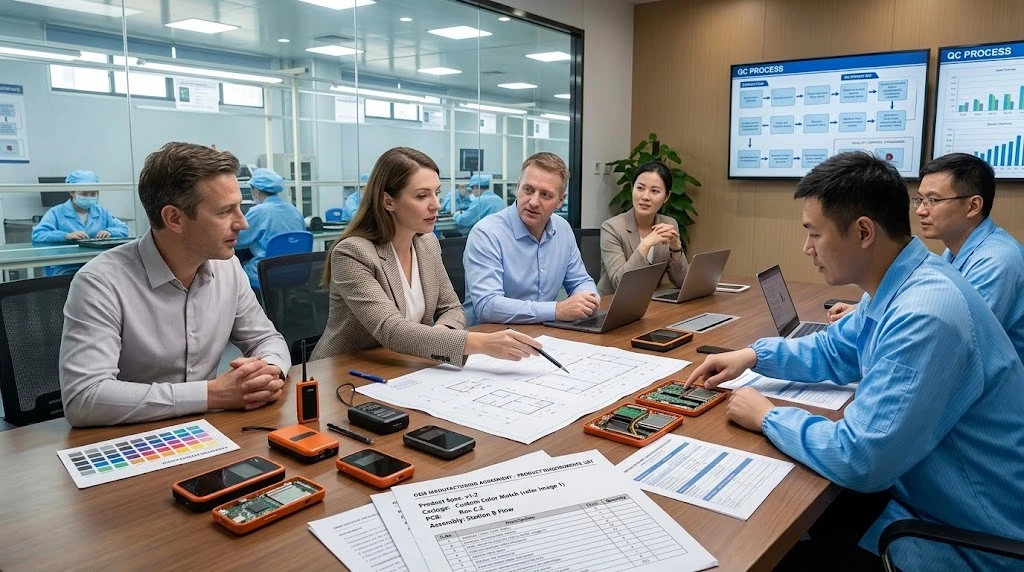
This is why buyers considering OEM orders tend to ask about the factory itself: how products are assembled, tested, and inspected before shipment.
Where YingMi Fits
YingMi has been building tour guide and audio guide systems since 2007, and offers OEM and ODM services across its product lines. Customization options include logo branding, frequency configuration, battery capacity, materials, and additional functions.
Buyers who already know their target market and kit size can send those details with an inquiry. That usually speeds up the quote and helps the factory recommend the right base model.
FAQs
Q: What is the difference between OEM and ODM for tour guide equipment?
A: With OEM, the buyer defines the product and the factory builds it to that specification. With ODM, the buyer starts from the factory's existing design and customizes branding or selected features. ODM is usually faster and lower in cost, while OEM offers more control.
Q: Can I put my own logo on a tour guide system?
A: Yes, in most cases. Logo branding on the transmitter, receiver, and charging box is one of the most common customization requests. Confirm the placement and print method on a sample before mass production.
Q: Can the frequency of a tour guide system be customized for different countries?
A: Often yes. Frequency configuration is a standard OEM request, since radio regulations differ between markets. Tell the supplier where the equipment will be used so they can recommend a compliant setup.
Q: Do I need to order a large quantity for a customized order?
A: Minimum order quantities depend on the factory and the type of customization. Ask for the minimum before committing, and ask whether a smaller trial batch is possible.


