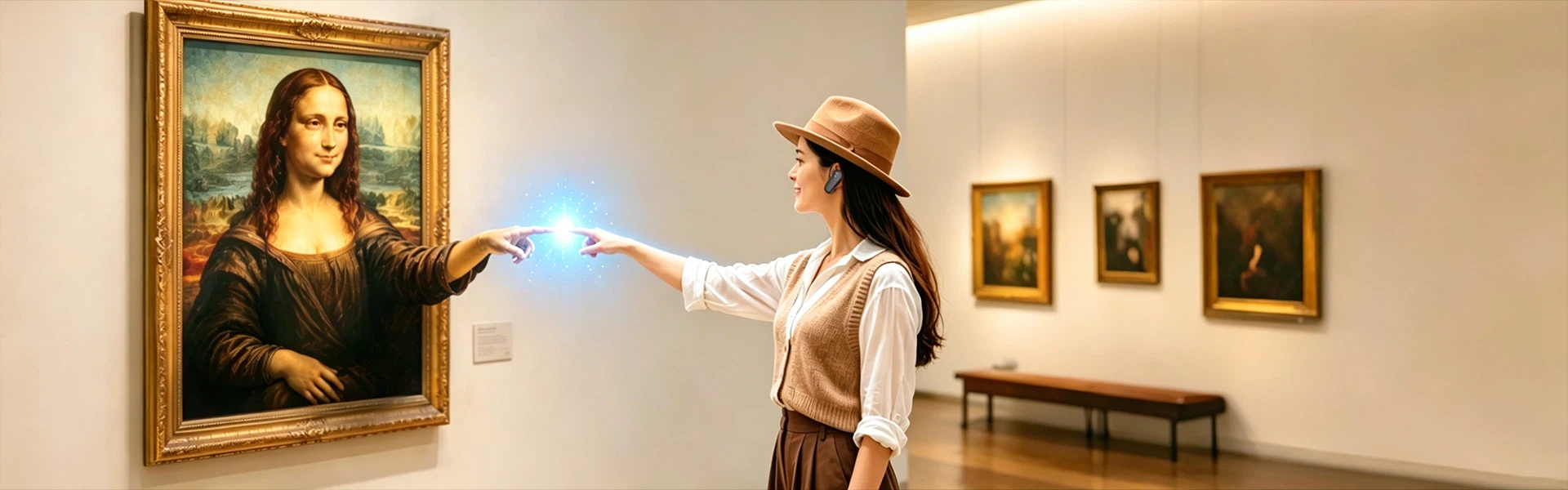
Despite its clear advantages, intelligent tour guides remain irreplaceable by traditional human guides in terms of in-depth interaction and emotional connection. Industry trends indicate that the future will be a "fusion and symbiosis" development model, where AI guides handle basic explanations and high-frequency Q&A, while traditional guides focus on in-depth storytelling, emotional engagement, and customized services. Simultaneously, technology is evolving towards greater humanization, such as dynamically adjusting explanations based on visitor emotions through voice recognition, and exploring new forms of metaverse-style tours.
These systems are gradually replacing or supplementing traditional human guides, effectively addressing the shortage of service personnel in high-traffic scenarios. For example, the intelligent tour guide systems at venues like the Palace Museum and the Shanghai Natural History Museum serve tens of thousands of visitors daily, improving service efficiency. Furthermore, the systems use data analysis to help institutions optimize exhibition processes, improve management efficiency, and increase customer conversion rates.