

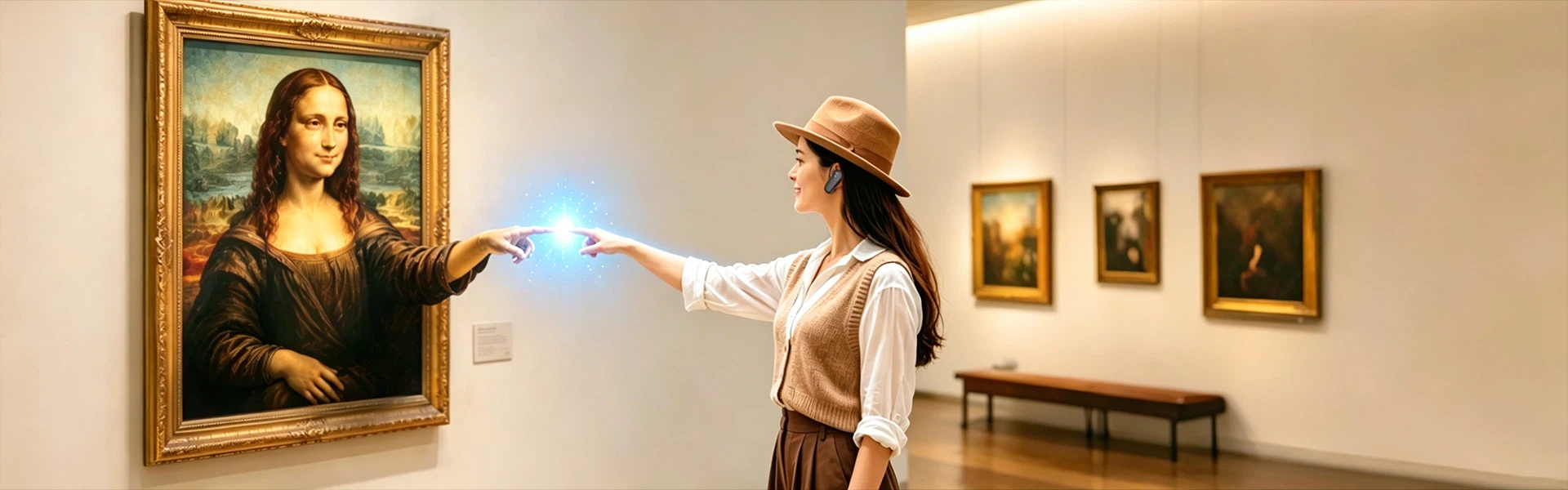
Walk through the ticketing hall of almost any major heritage site or museum in China this summer, and the shift is audible before it's visible - more languages in the queue, more travel apps open on more phones, more visitors who arrived without ever applying for a visa. That shift has a policy behind it, and it's been building for months.
The Policy Shift Behind the Numbers
China has spent the past two years steadily widening the list of countries whose citizens can enter without a visa for short-term tourism, business, or family visits. What began as a pilot program covering a handful of European countries has grown into a much broader framework: dozens of nations now qualify for unilateral visa-free entry for stays of up to 30 days, several regional programs offer even more generous terms - Hainan's visa-free list alone covers close to sixty countries - and transit travelers passing through on their way to a third country can now move visa-free for up to ten days in many cities. Existing arrangements have also been extended rather than allowed to lapse, with several unilateral exemptions running through the end of 2026 and select bilateral agreements pushed out even further.
For venue operators, the policy detail matters less than the practical effect: it has become measurably easier for international travelers to decide, almost on impulse, that this is the year they finally see the Great Wall, the terracotta warriors, or a provincial museum they read about online.
What the Arrival Numbers Are Actually Showing
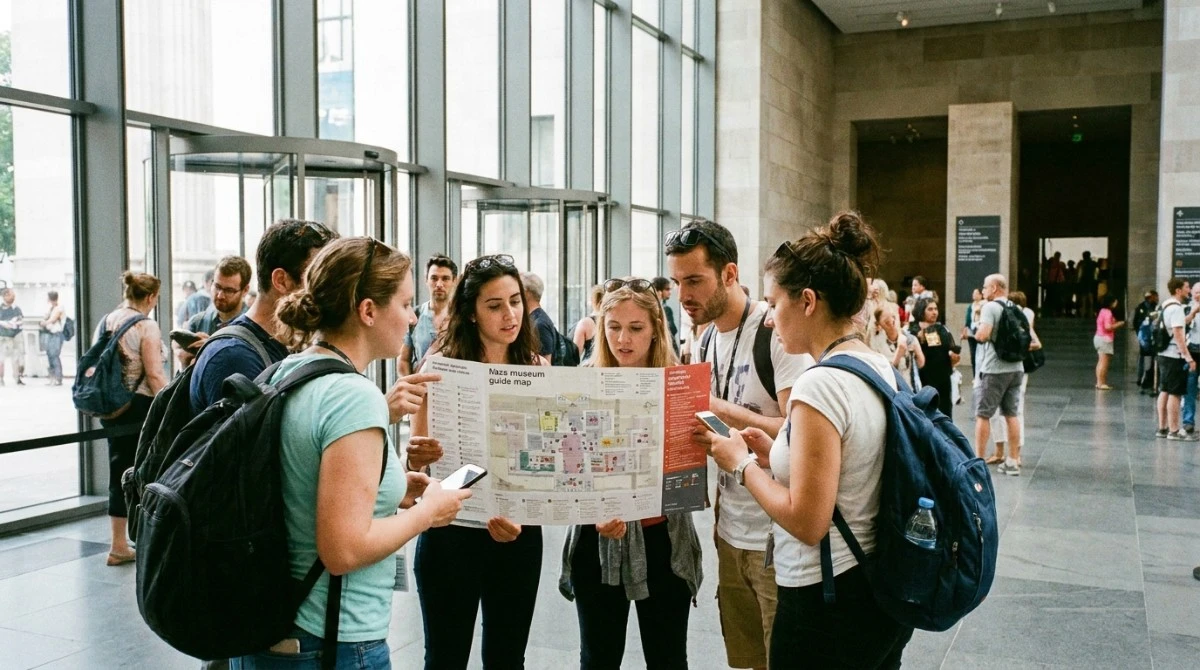
The effect isn't theoretical. Immigration authorities have reported that a large majority of foreign nationals now entering the country do so through some form of visa-free channel, and the number of European visitors alone using these exemptions has climbed well into the millions over the past year. Quarterly entry-exit figures have shown consistent year-on-year growth, and several cities have begun publicly discussing how to prepare their cultural and heritage sectors for the increase rather than simply reacting to it after the fact.
Municipal tourism authorities in cities like Beijing have recently flagged inbound visitor service quality as an active area of focus - a sign that policy momentum on entry rules is now being followed by a second wave of attention on what happens once visitors actually arrive at a site.
The Gap Most Venues Haven't Closed Yet
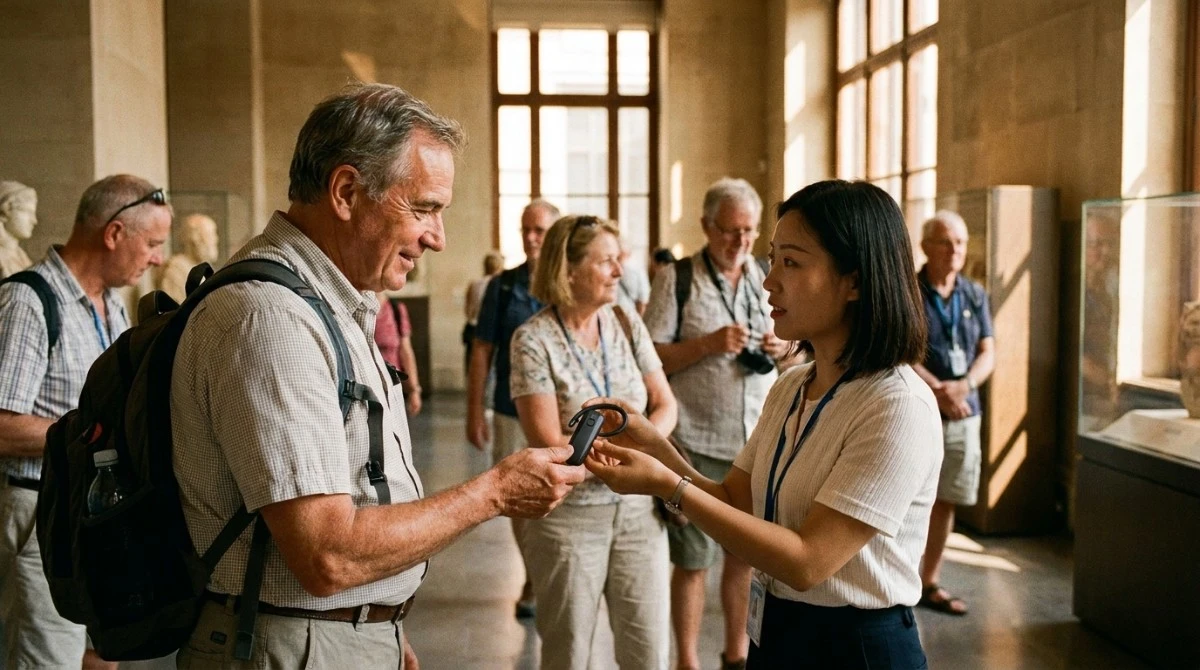
Here's the part that doesn't make headlines: a visa-free stamp gets someone to the front gate, but it does nothing to solve the language and interpretation gap once they're standing in front of an exhibit. Static wall text in two languages, a printed pamphlet, or a QR code linking to a slow-loading webpage were tolerable when international footfall was a smaller share of total visitors. They're a weaker fit for a visitor base that is now more linguistically diverse, more accustomed to on-demand digital experiences, and - because they came specifically for the trip - more likely to notice when the experience feels under-built for them.
This is where guide equipment stops being a back-office purchasing decision and starts being a visible part of how a site is perceived. A well-run multilingual audio tour tells an international visitor, within the first five minutes, that the venue anticipated them.
Equipping for a Broader Visitor Mix
For sites that mix indoor galleries with open-air grounds - a common layout for museums with courtyards, or heritage complexes spread across several buildings - signal stability across that transition matters more than most equipment specs on a brochure. The 008A tour guide system, operating in the 935–955MHz UHF band with a 200-meter effective range and 100 selectable channels, holds a stable connection as tour groups move between enclosed rooms and outdoor courtyards, and its 10–12 hour battery life comfortably covers a full day of back-to-back tour groups without a midday swap.
For sites specifically managing a growing international visitor base, the L8 tour guide system is worth a closer look: it operates in the 663–694MHz UHF band with a 300-meter range and supports Bluetooth-based translation pairing - a practical fit for venues fielding tour groups where a single guide is now covering several language groups in the same session rather than one language at a time.

A Few Practical Steps While the Trend Is Still Building
Venues that have handled international visitor growth well over the past year tend to share a few habits: they review channel capacity before peak season rather than during it, they keep at least one backup receiver set charged and ready for unplanned group size increases, and they treat guide equipment reliability as part of the same customer experience conversation as signage and ticketing - not a separate IT concern. None of this requires a full equipment overhaul. It requires treating the policy shift as a planning input rather than background noise.

Frequently Asked Questions
Q: Does The Visa-Free Expansion Apply To Tourists Specifically, Or Only Business Travelers?
A: The unilateral exemptions cover a range of short-term purposes including tourism, business, family visits, and transit, generally for stays of up to 30 days depending on the country and program.
Q: Is This Visitor Growth Concentrated In Major Cities, Or Reaching Smaller Heritage Sites Too?
A: While flagship destinations in major cities have seen the earliest and largest increases, regional heritage sites and provincial museums are increasingly appearing in international travel itineraries as visitors look beyond the most obvious stops.
Q: What's The Simplest First Step For A Venue That Hasn't Updated Its Guide Equipment In Several Years?
A: Start with a capacity check - confirm how many simultaneous tour groups your current system can realistically support on a busy day, and whether battery life and range match your actual site layout rather than the layout the system was originally bought for.


